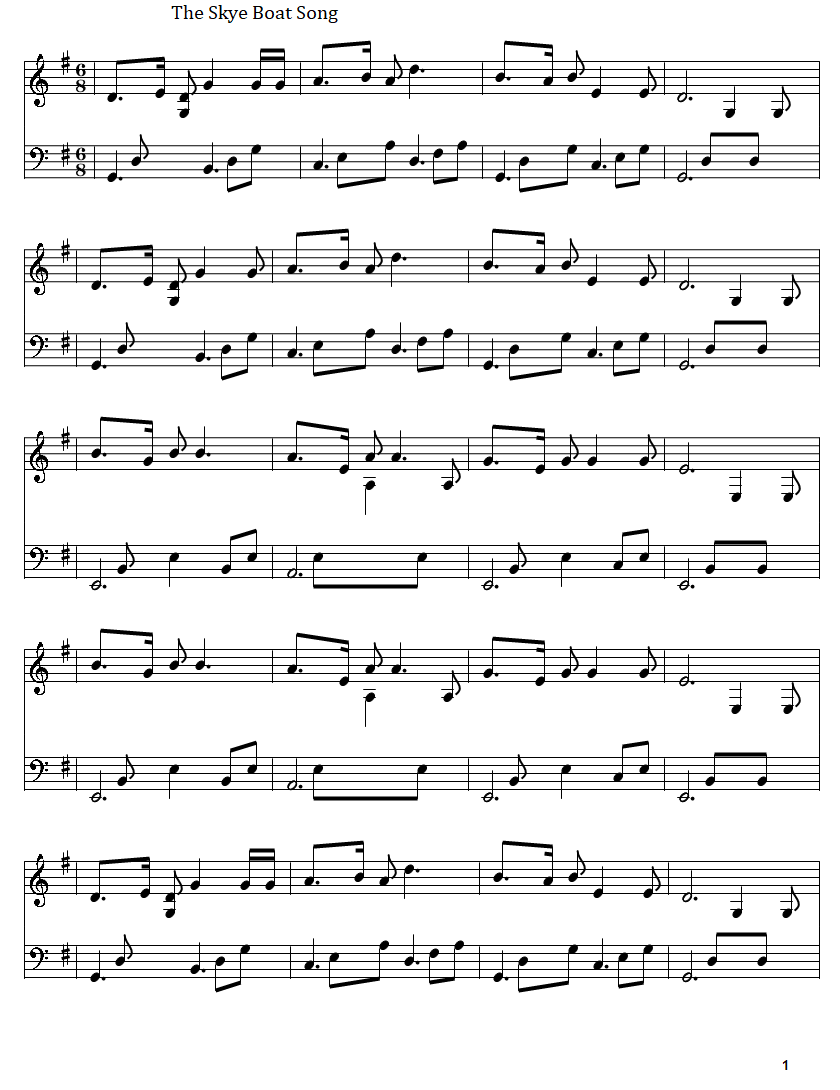
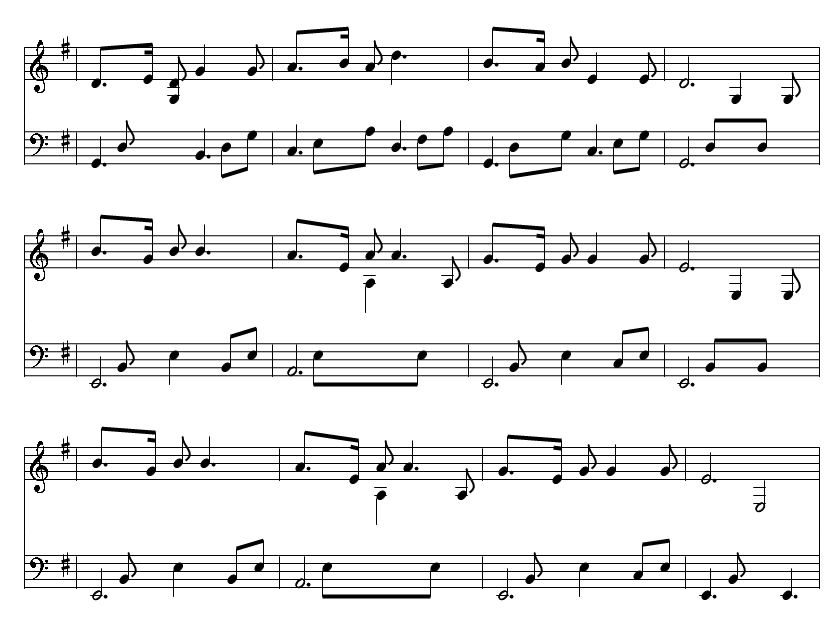
The Skye Boat Song Tin Whistle Music
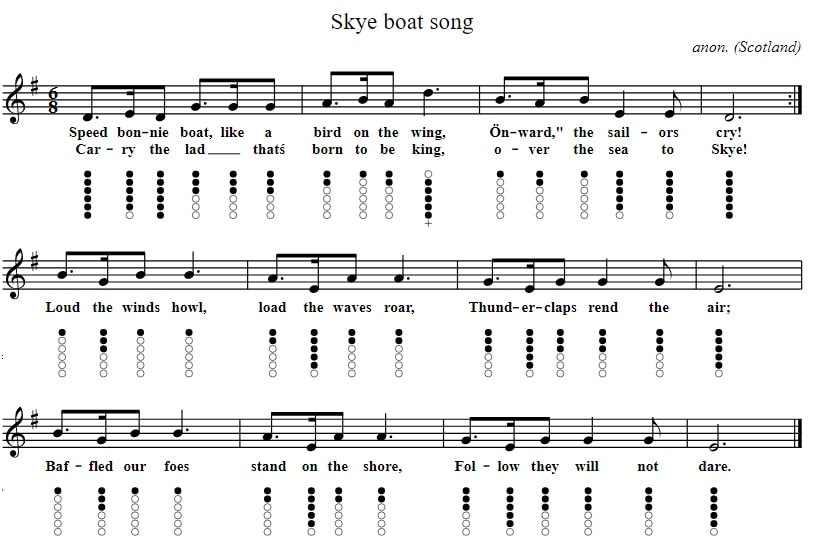
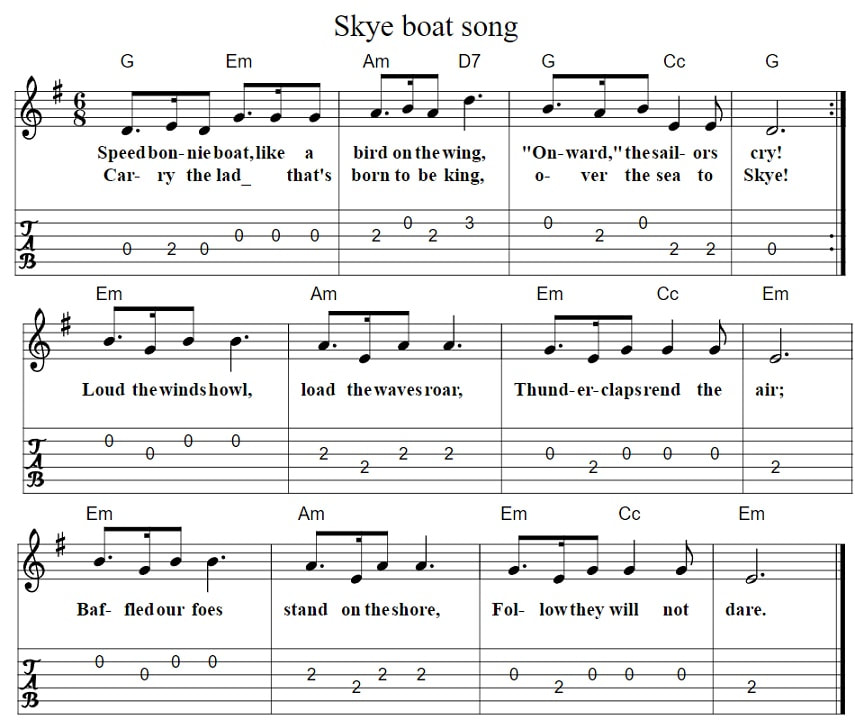
Recorded by The Corries. The skye boat song beginner flute notes showing the finger position for every note now added. solfege [ Do re mi ] sheet music notes in G Major now added. Ukulele tab for the skye boat song now added. The tune was written by Anne Campbelle MacLeod with the words coming from Harold Boulton. This is one of the most popular Scottish folk songs. This song was used as the title song of Outlander. The second version has the lyrics that are used by Kathryn Jones. Recently recorded by singer Ella Roberts.The skye boat song beginner violin sheet music now added which shows where to place your fingers on each string for the notes plus the tenor guitar / mandola tab in CGDA.
The Skye Boat Song is a beloved Scottish folk song that has transcended time and geography to become a cherished part of popular culture. Its haunting melody and poignant lyrics have captured the hearts of listeners for generations, making it a timeless classic that continues to be performed and cherished to this day.
The origins of The Skye Boat Song can be traced back to the Jacobite rising of 1745, a rebellion against the British government led by Charles Edward Stuart, also known as Bonnie Prince Charlie. The song tells the story of his escape from Scotland to the Isle of Skye after his defeat at the Battle of Culloden. Despite the defeat, Bonnie Prince Charlie remained a symbol of Scottish pride and resistance to British rule, and The Skye Boat Song served as a tribute to his bravery and determination.
The earliest known version of the song was collected by folklorist Anne MacVicar Grant in the early 19th century. It was originally titled 'Speed, Bonnie Boat' and was sung to a different tune. However, it was not until the mid-19th century that the song gained widespread popularity, thanks to the efforts of Scottish poet and songwriter Sir Harold Boulton. Boulton adapted the lyrics and set them to a new tune, creating the version of The Skye Boat Song that is most commonly known today.
The Skye Boat Song gained even more popularity in the early 20th century when it was included in the collection of traditional Scottish songs called 'Songs of the North' by musicologist Marjory Kennedy-Fraser. This collection was widely distributed and helped to popularize Scottish music and culture around the world. The song also gained international recognition when it was featured in the 1940 film 'The Sea Hawk' starring Errol Flynn.
One of the reasons for the enduring popularity of The Skye Boat Song is its emotional resonance. The haunting melody and evocative lyrics evoke a strong sense of longing and nostalgia, transporting listeners to the rugged landscapes and tumultuous times of Scotland's past. The lyrics also paint a vivid picture of Bonnie Prince Charlie's daring escape, with lines like 'Speed, bonnie boat, like a bird on the wing' and 'Carry the lad that's born to be king' capturing the urgency and bravery of his journey.
Another factor contributing to the song's popularity is its adaptability. The Skye Boat Song has been recorded and performed by numerous artists in various styles, from traditional Scottish folk to contemporary pop. It has also been featured in films, TV shows, and advertisements, further cementing its place in popular culture. Its universal appeal and ability to transcend genres and generations have made it a favorite among musicians and listeners alike.
In addition to its cultural impact, The Skye Boat Song also holds historical significance. Its connection to the Jacobite rising and Bonnie Prince Charlie's escape has made it a symbol of Scottish nationalism and resistance to British rule. The song has been used in political rallies and protests, such as the Scottish independence movement, further solidifying its place in Scottish history and identity.
In conclusion, The Skye Boat Song is a powerful and enduring piece of music that has stood the test of time. Its origins in the Jacobite rising and its subsequent popularity as a symbol of Scottish pride and resilience have made it a beloved part of Scottish culture. Its haunting melody, poignant lyrics, and universal appeal have ensured its place as a timeless classic that continues to be cherished and performed by generations of music lovers around the world.
The origins of The Skye Boat Song can be traced back to the Jacobite rising of 1745, a rebellion against the British government led by Charles Edward Stuart, also known as Bonnie Prince Charlie. The song tells the story of his escape from Scotland to the Isle of Skye after his defeat at the Battle of Culloden. Despite the defeat, Bonnie Prince Charlie remained a symbol of Scottish pride and resistance to British rule, and The Skye Boat Song served as a tribute to his bravery and determination.
The earliest known version of the song was collected by folklorist Anne MacVicar Grant in the early 19th century. It was originally titled 'Speed, Bonnie Boat' and was sung to a different tune. However, it was not until the mid-19th century that the song gained widespread popularity, thanks to the efforts of Scottish poet and songwriter Sir Harold Boulton. Boulton adapted the lyrics and set them to a new tune, creating the version of The Skye Boat Song that is most commonly known today.
The Skye Boat Song gained even more popularity in the early 20th century when it was included in the collection of traditional Scottish songs called 'Songs of the North' by musicologist Marjory Kennedy-Fraser. This collection was widely distributed and helped to popularize Scottish music and culture around the world. The song also gained international recognition when it was featured in the 1940 film 'The Sea Hawk' starring Errol Flynn.
One of the reasons for the enduring popularity of The Skye Boat Song is its emotional resonance. The haunting melody and evocative lyrics evoke a strong sense of longing and nostalgia, transporting listeners to the rugged landscapes and tumultuous times of Scotland's past. The lyrics also paint a vivid picture of Bonnie Prince Charlie's daring escape, with lines like 'Speed, bonnie boat, like a bird on the wing' and 'Carry the lad that's born to be king' capturing the urgency and bravery of his journey.
Another factor contributing to the song's popularity is its adaptability. The Skye Boat Song has been recorded and performed by numerous artists in various styles, from traditional Scottish folk to contemporary pop. It has also been featured in films, TV shows, and advertisements, further cementing its place in popular culture. Its universal appeal and ability to transcend genres and generations have made it a favorite among musicians and listeners alike.
In addition to its cultural impact, The Skye Boat Song also holds historical significance. Its connection to the Jacobite rising and Bonnie Prince Charlie's escape has made it a symbol of Scottish nationalism and resistance to British rule. The song has been used in political rallies and protests, such as the Scottish independence movement, further solidifying its place in Scottish history and identity.
In conclusion, The Skye Boat Song is a powerful and enduring piece of music that has stood the test of time. Its origins in the Jacobite rising and its subsequent popularity as a symbol of Scottish pride and resilience have made it a beloved part of Scottish culture. Its haunting melody, poignant lyrics, and universal appeal have ensured its place as a timeless classic that continues to be cherished and performed by generations of music lovers around the world.
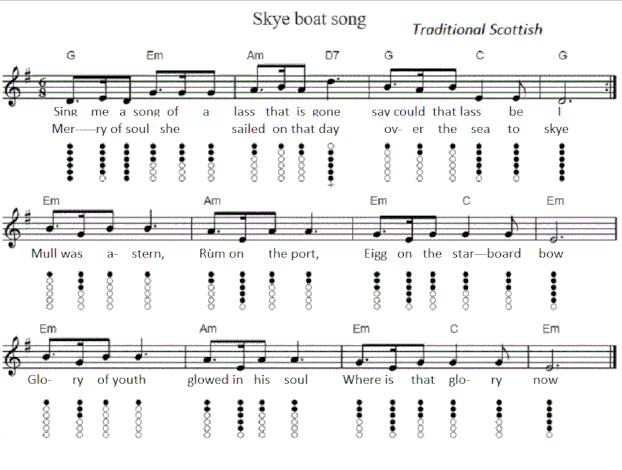
the skye boat song sheet music notes for the tin whistle
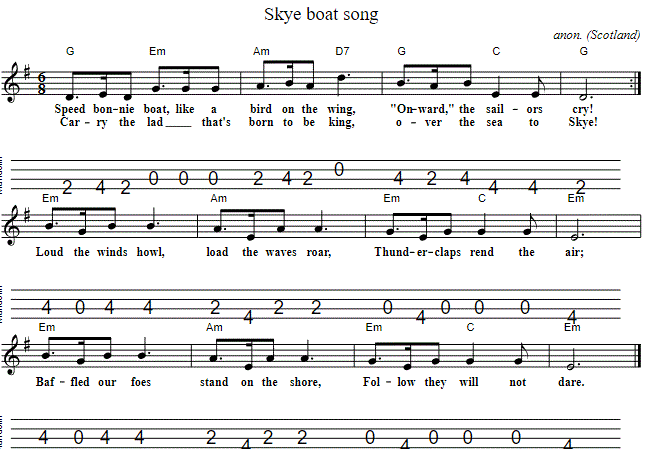
Skye boat song music notes in G With Different Lyrics
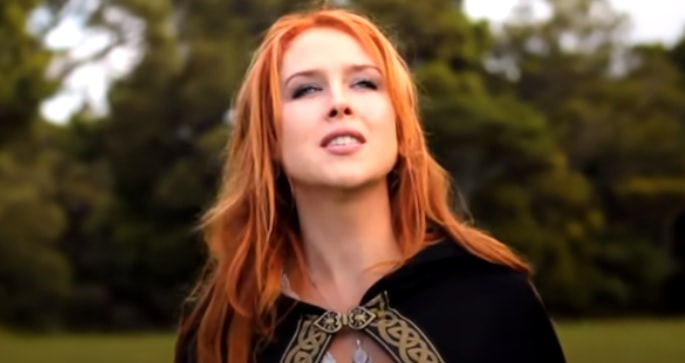
Ella Roberts The Sky Boat Song
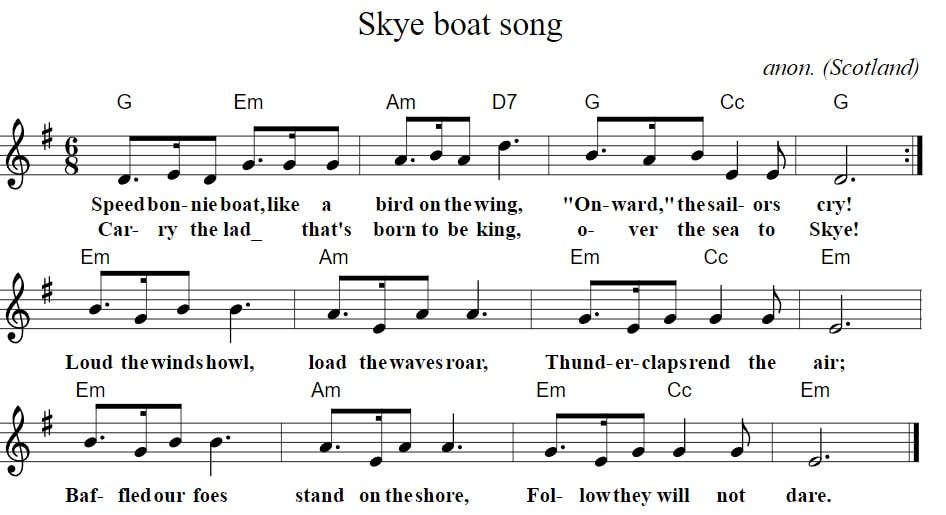
piano sheet music with chords
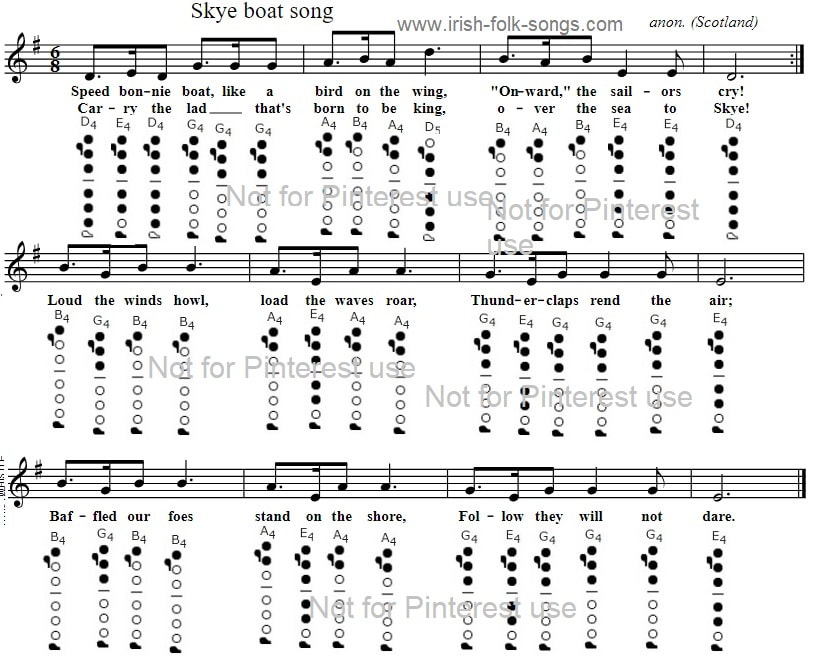
The skye boat song easy flute notes for beginners
Below is the list of sheet music and tin whistle songs that are in my ebooks. This is the largest collection of tin whistle songs ever put together.[over 800 songs ] Including folk, pop and trad tunes plus German And French songs along with Christmas Carols.
All of the sheet music tabs have been made as easy to play as was possible.
The price of the ebooks is €7.50
All of the sheet music tabs have been made as easy to play as was possible.
The price of the ebooks is €7.50
Below is the tenor guitar or mandola tab in CGDA tuning.
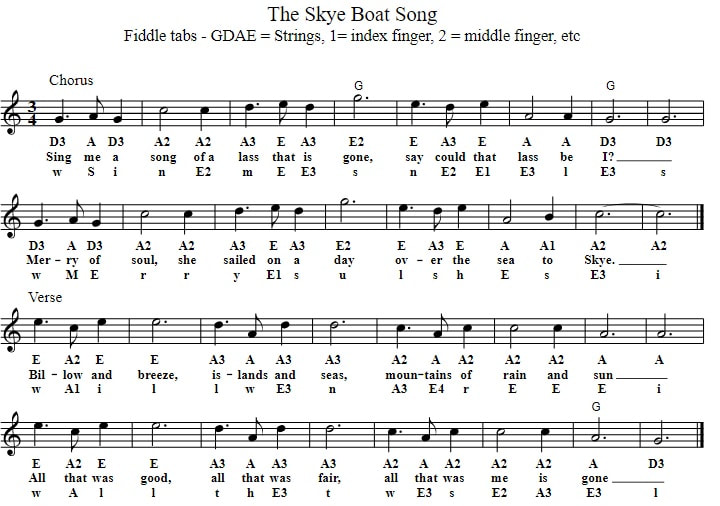
The skye boat song beginner violin sheet music
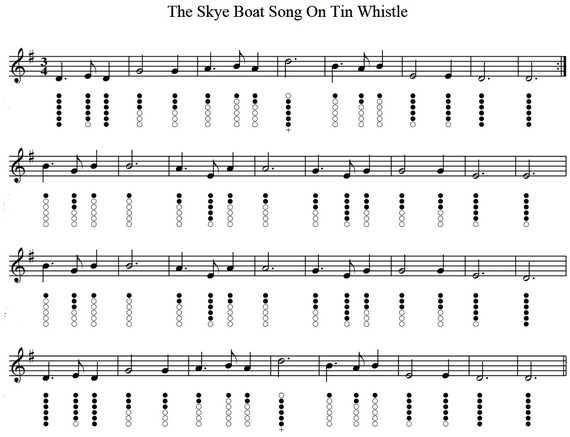
The Skye Boat Song sheet music for tin whistle
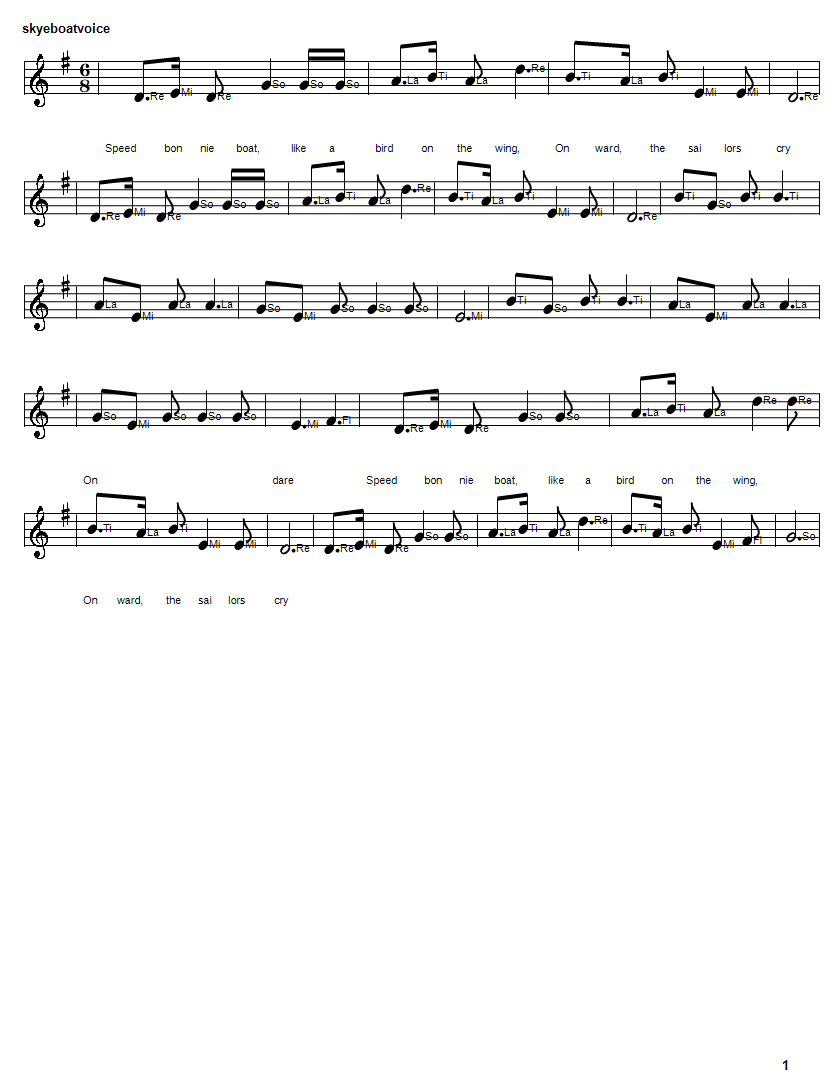
The skye boat song solfege [ Do re mi ] sheet music notes in G Major
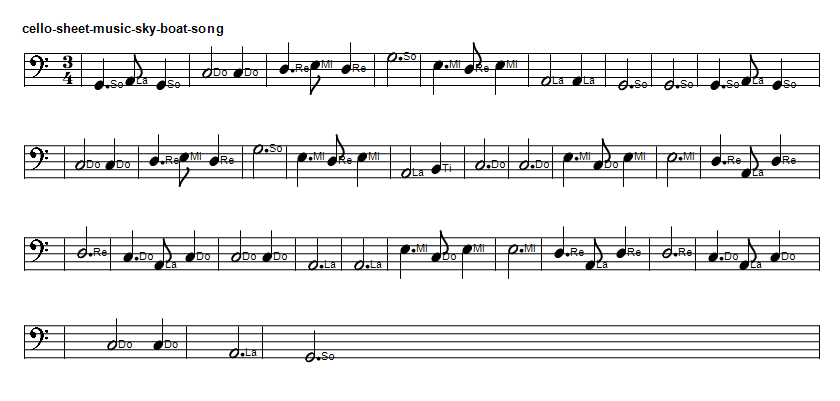
Cello sheet music for the Skye boat song in G
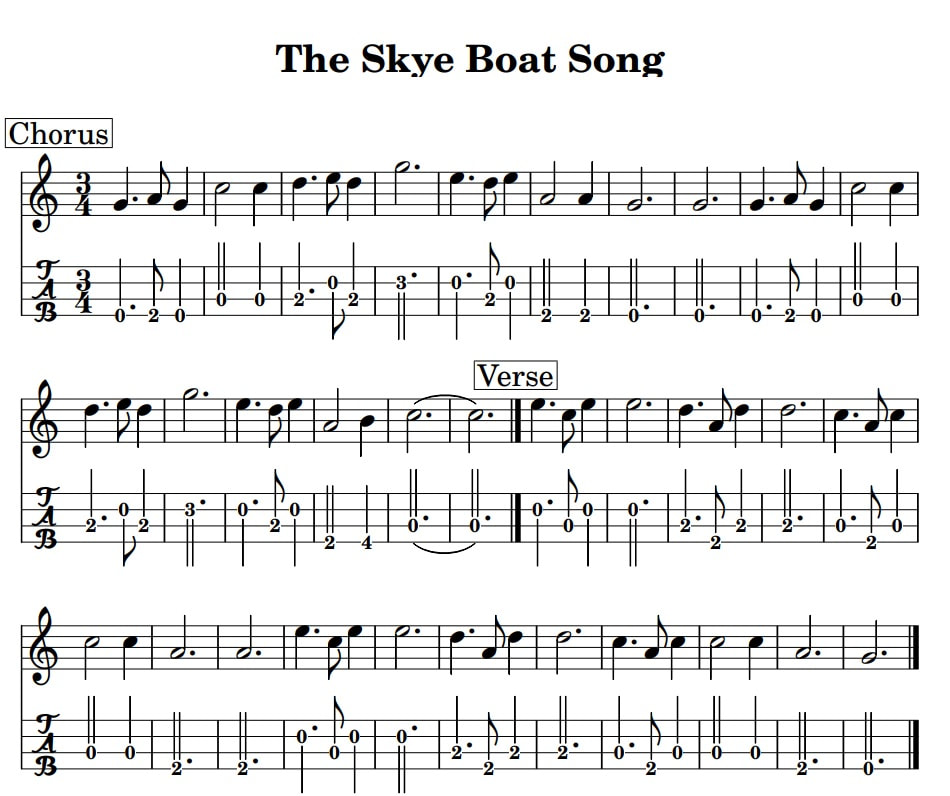
Ukulele tab the skye boat song
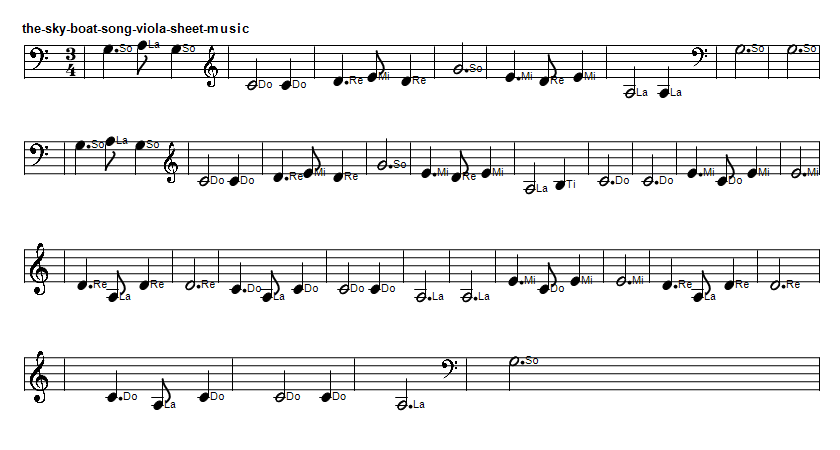
The skye boat song viola sheet music notes
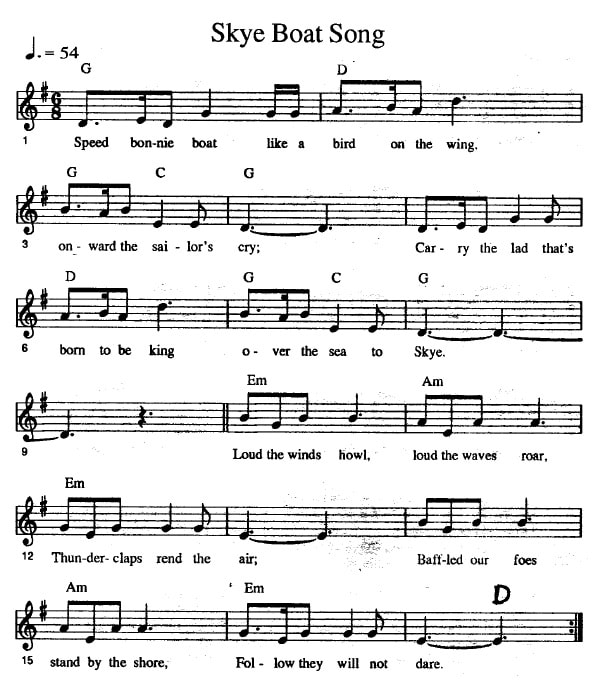
The Skye Boat Song sheet music in G Major